after tortured months of covid
I’ve settled on “Rosinante” as the name
not of my new steed
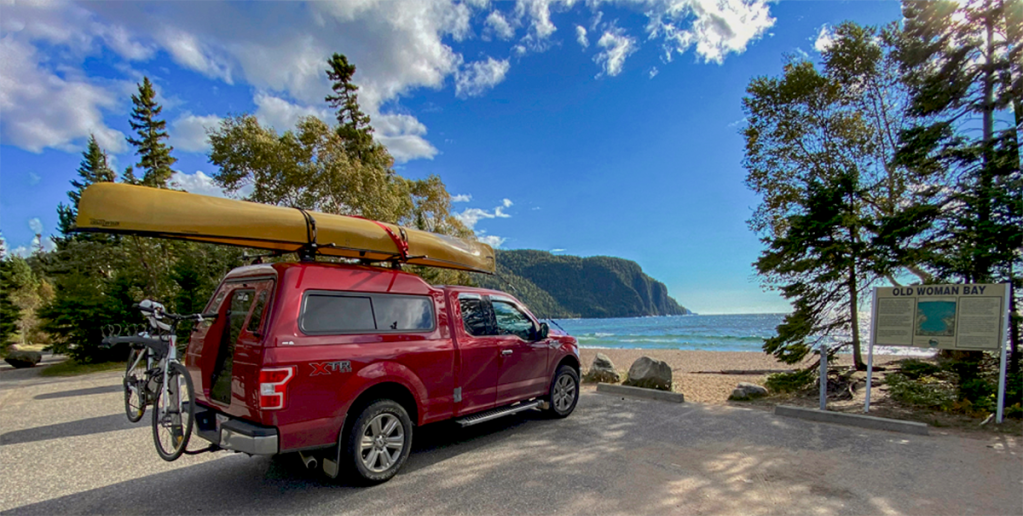
but of my red camper
she’s loaded
not with instruments of war
but with canoe and bicycle
and a beer-filled ice chest
we’re off to challenge
not windmills
but the waterways
of Algonquin lakes
not to rescue damsels
from dragons
but to enjoy the flight
of scarlet damselflies
my lure flies out
over clear blue waters
Plunk!
~ after Basho
Notes:
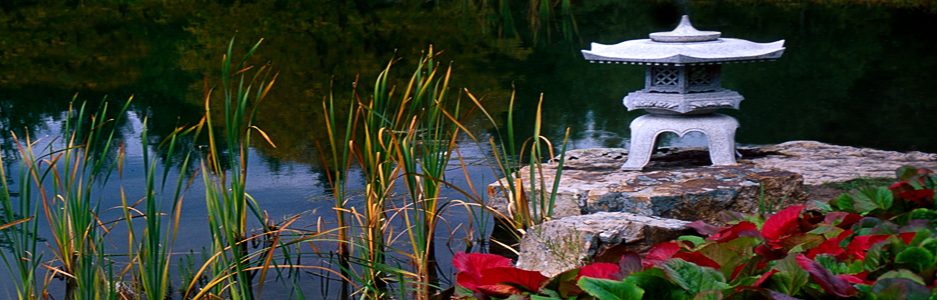
- Haiku is after Basho’s: the old pond / a frog jumps in: / Plop! (trans. Alan Watts)
- No one can really know what Basho had in mind when writing his (most famous) poem. I always wondered why various haijin over the years of haiku-in-English popularity thought it so exceptional, aka I didn’t really get it. After musing about it each time I came across it, and reading the thoughts of others about possible meanings, I’ve come to my own thoughts about the poem. An old pond can be thought of as the mindset of a travel-weary poet. As he wanders around a pond he hears the usual “noise” that keeps our attention from a mindful presence, the sound of a frog jumping in. The sound awakens him from his automatic musings (even Basho may have had “head noise”) and brings him into the “now” of the pond.
- An early version of this haibun was written for a 50-words-or less challenge and published in Michael Rehling’s Failed Haiku: A Journal of English Senryu. The present version is 74 words.
- I usually stick to the haibun format of title, one or more paragraphs, one or more haiku. But increasingly haiku and haibun websites are giving more free rein to alternative formats. I don’t claim that this is good free verse in form. I just wanted to write shot ditties en route to the final haiku.
About the Author

Ray Rasmussen has served as an editor for a variety of haibun journals. He currently is on the editorial staff of contemporary haibun online. His haibun, haiga and haiku have been published in numerous journals and some have been republished in anthologies. He lives with his partner Nancy in a cottage in a mixed hardwood Ontario forest acreage. Together they enjoy writing, fabric arts, photography, bicycling, canoeing and hiking.

